
Hypertension: The Hidden Factor Fueling South Africa’s Most Lethal Diseases
Johannesburg – Hypertension, also known as high blood pressure, is frequently regarded and managed merely as another non-communicable disease (NCD).
Nevertheless, it serves as a significant underlying factor for several of the most severe and life-threatening conditions in South Africa.
Each year, hypertension is thought to be responsible for around 14,000 cases of ischaemic heart disease, more than 13,000 strokes, and over 6,000 instances of chronic kidney disease in South Africa.[1]
Today, Sunday 17 May 2026, marks World Hypertension Day.
In honor of this day, Global healthcare company Viatris is advocating for increased awareness and proactive measures, underscoring the vital role hypertension plays not just as a condition, but as a key contributor to disease.
Often dubbed the “silent killer,” hypertension usually doesn’t exhibit symptoms, yet it progressively harms the body over time, often going unnoticed until severe complications emerge.[2]
Because hypertension is typically asymptomatic, many individuals do not realize their blood pressure is increasing and wrongly view it as a non-threatening concern.
A multitude of patients neglect to adhere to their prescribed medication, as they do not feel immediate improvements or face challenges with the lifestyle changes needed to manage the condition.
High blood pressure measurements taken at a clinic or doctor’s office can induce anxiety, leading individuals to mistakenly attribute their elevated readings to nervousness, rather than recognizing it as a chronic concern.[iii]
Verushka Hansrajh, Head of Medical Affairs at Viatris in South Africa, emphasizes the importance of adhering to treatment.
“Taking your medication at the correct dose, frequency, and time is essential for preventing the progression from hypertension to life-threatening diseases,” she states.
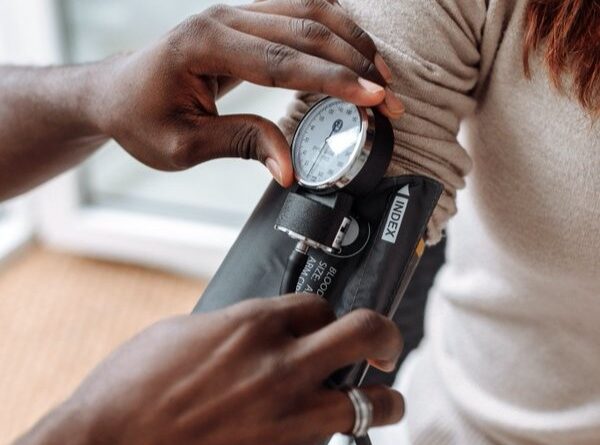
Hansrajh urges South Africans to regularly check their blood pressure to familiarize themselves with their readings, grasp their risk factors, and seek medical guidance promptly.
Aman Khanna, Country Head of Viatris in South Africa, remarks, “For Viatris, this signifies a crucial focus area aligned with its broader mission to enhance access to medications and healthcare.
“As a company operating in both branded and generic segments, Viatris is ideally positioned to aid the management of chronic conditions like hypertension through the provision of quality-assured treatments and partnerships that bolster community healthcare delivery.”
Facilitating access to screening and ongoing care remains vital.
By supporting local and nurse-led clinics, such as the one in Diepsloot in partnership with Rhiza Babuyile, Viatris contributes to blood pressure screening, patient education, and continuous management, especially in underserved areas.
These frontline facilities are crucial for early diagnosis and ensuring adherence to treatment.
Hypertension is highly prevalent in South Africa, with estimates suggesting that between 19% and 56% of the population may be affected.[iv] Alarmingly, younger individuals are increasingly represented in these figures.
While hypertension has historically been associated with older demographics, there is growing concern regarding its occurrence among younger adults.
Recent studies among South Africans aged 24 to 40 revealed a self-reported hypertension rate of approximately 24% (27.5% in women, 20.4% in men), bringing to light a rising and often unrecognised risk in younger cohorts.
This trend is correlated with factors such as urbanization, obesity, unhealthy diets, alcohol use, smoking, and sedentary lifestyles.[v]
Aside from its health ramifications, hypertension imposes a significant economic strain on South Africa.
Among adults lacking private health insurance, around 8.22 million individuals (30.8%) are living with hypertension, putting substantial pressure on both individuals and the public healthcare system.[vi]
A significant number of people remain undiagnosed or untreated, facing low levels of awareness, treatment, and control, particularly in lower-income groups.
The condition is estimated to cost the nation R39.5 billion annually (approximately 0.76% of GDP) due to healthcare expenditures and lost productivity.
Without improved strategies for prevention, diagnosis, and management, this burden is likely to continue escalating.[vii]
Given that hypertension frequently has no symptoms, regular blood pressure checks are crucial.
Early identification, paired with effective management, can greatly diminish the risk of complications.
As South Africa observes World Hypertension Day, individuals are encouraged to take a simple yet potentially life-saving action: have their blood pressure assessed.
Whether at a local clinic, pharmacy, or healthcare provider, early detection remains one of the most powerful tools in averting the serious complications linked to hypertension.