
Thai Outrage Over Misbehaving Foreigners Sparks Review of Visa Regulations
Thailand is preparing to revise its lenient visa policies as the government intensifies efforts against foreigners who unlawfully operate businesses or engage in international crimes.
Potential changes could involve decreasing the 60-day visa-free period for tourists to 30 days and reassessing the criteria for various visa categories, including those for investment, long-term stays, students, and digital nomads, officials have reported. Currently, visitors from 93 nations can take advantage of the 60-day exemption.
Read:
Thailand and China reach an agreement on visa-free travel
Remote working from a tropical island has become the new norm
Prime Minister Anutin Charnvirakul has directed the formation of a task force to evaluate these regulations, as shared by government spokesperson Rachada Dhnadirek in a statement.
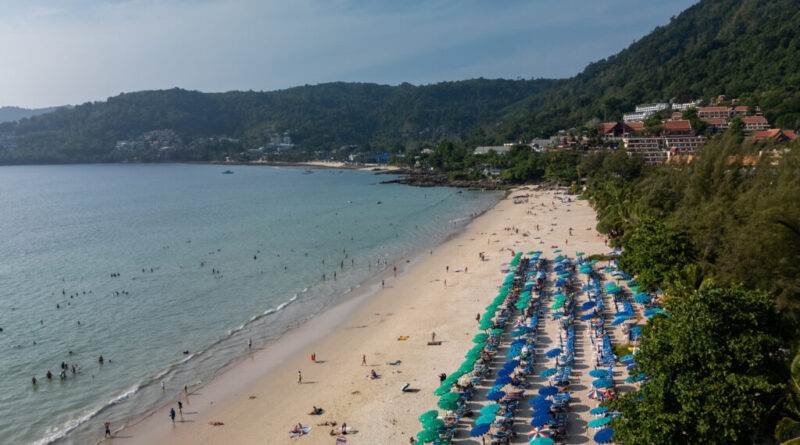
During his visit to the popular tourist destination of Phuket this week, Anutin promised to take a hard stance against foreign ‘thugs’ exploiting public beaches for illegal business ventures and intimidating locals. The recent apprehension of a Chinese national found with a stockpile of weapons in Pattaya, another favored tourist location, has raised concerns about national security.
This review is in response to ongoing grievances from local businesses—particularly in areas frequented by foreign tourists—who claim their livelihoods are jeopardized by visitors who misuse their visas to participate in banned activities.
ADVERTISEMENT
CONTINUE READING BELOW
Anutin, whose conservative Bhumjaithai party is part of the ruling coalition, remarked to reporters this week that he does not intend to eliminate visa waivers entirely, as Thailand continues to earn significant revenue from legal foreign tourism.
“Free visas do not mean unconditional entry,” Anutin stated on Monday. “We must seek the optimal balance.”
Anutin’s remarks highlight the challenge Thailand faces in determining how much to restrict entry without harming its economic interests, having generated nearly $50 billion from 33 million foreign visitors last year.
Proposals to shorten the duration of visa-free stays and impose an entry fee on all foreign tourists have faced pushback from the domestic tourism sector, which warns that Thailand risks losing business to countries like Vietnam and Malaysia.
In recent years, Thailand has become a refuge for individuals fleeing the Russia-Ukraine conflict and the Israel-Palestine situation, but it has long grappled with visitors involved in unauthorized business operations or evading regulations via local proxies.
ADVERTISEMENT:
CONTINUE READING BELOW
A recent enforcement operation uncovered that foreigners had unlawfully constructed bars and restaurants on a Phuket beach, prompting public outrage. Phuket police have charged 33 foreigners, including 13 Russians and 12 Chinese nationals, across multiple cases for violating Thailand’s foreign business legislation.
As enforcement efforts ramp up, Anutin is scheduled to visit Koh Phangan—a resort island recognized for its full-moon parties—on Wednesday to oversee a crackdown on businesses owned by foreigners but registered as Thai enterprises.
Read: Thailand attracts wealthy foreigners with a 10-year visa and tax incentives
The government endorses legitimate, clear-cut, and beneficial foreign investments but will not permit illicit capital, nominee schemes, or networks involved in economic crime to gain from operating within Thailand, as stated by Rachada.
“The Prime Minister has instructed security forces, administrative authorities, the commerce ministry, and relevant agencies to conduct inspections nationwide,” Rachada said. “If any exploitation of legal loopholes that deprives Thai citizens of jobs and livelihoods is identified, decisive legal action will follow.”
© 2026 Bloomberg