
Pistachio Price Surge Motivates South African Farmers to Increase Production
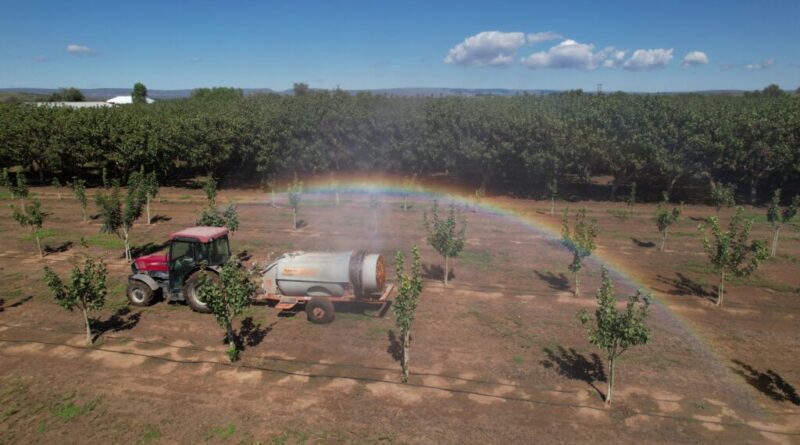
The South African agricultural collective Karoo Pistachios is increasing its production to take advantage of soaring prices and to compete with the largest global producers.
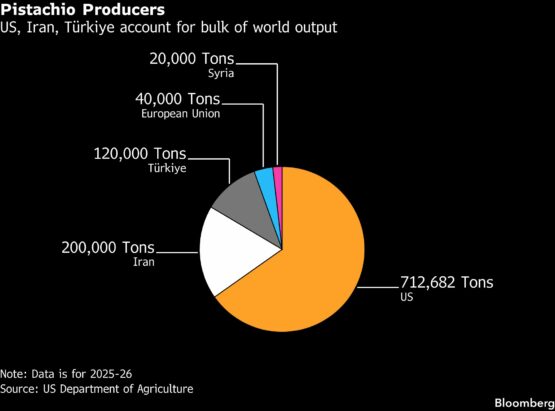
The value of pistachios—often found in chocolate and ice cream—has reached its highest point in nearly a decade this month as disruptions in supply from Iran, the world’s second-largest producer, impact an already strained market.
Farmers are optimistic that the semi-arid climate of the Karoo region will transform their newly cultivated crops into a successful export market. This effort underscores how geopolitical events are altering agricultural supply dynamics, opening up opportunities for new participants even in regions traditionally overlooked for lucrative crops.
The popularity of pistachios has surged lately, particularly after the launch of Dubai chocolate, a bar with pistachio cream, which ignited a wave of social media excitement.
David Muller, CEO of Karoo Pistachios, shared in an interview that the situation in Iran “benefits us: prices are significantly elevated and many importers are inquiring about diversifying their supply chains. We’re considering withholding some product to sell at a higher price later in the year.”
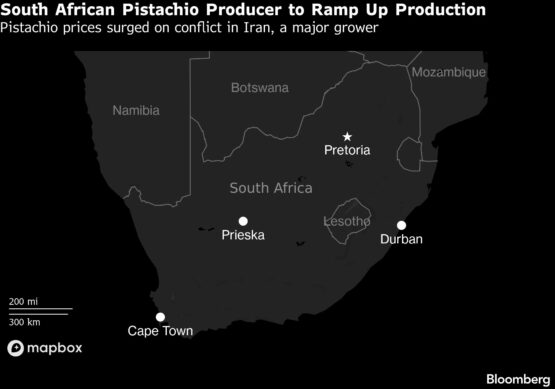
Muller’s company, located in the remote town of Prieska in South Africa’s Northern Cape province, projects a production goal of up to 60,000 tons by the end of the next decade, a significant increase from just 20 tons last year. This achievement would position South Africa as the fourth-largest exporter globally, according to the latest data from the US Department of Agriculture.
ADVERTISEMENT
CONTINUE READING BELOW
According to Muller, the Karoo is the only region in Africa where pistachios have shown the potential for large-scale cultivation. Trials in Egypt, Morocco, and Tunisia have yet to reach commercial viability, giving South Africa a significant advantage.
The Northern Cape province and the surrounding Karoo region benefit from dry, sunny weather and low humidity, creating ideal conditions for nut production. The country already leads the world in macadamia cultivation and ranks third in pecan production.
“Pistachios are ideally suited to the extreme conditions of the Karoo,” he noted. “The climate in the Karoo closely resembles that of the Middle East, which positions us for significant growth and expansion.”
Supporters believe that this crop could establish a more extensive agricultural industry in the Northern Cape, where other crops like citrus fruits and wheat are already successful.
Karoo Pistachios aims to expand its cultivation over thousands of hectares and anticipates that planting 1,000 hectares could create at least 800 direct and indirect jobs across various sectors, including farming, processing, and logistics. However, reaching this milestone would demand nearly a billion rand ($60 million) in investment.
ADVERTISEMENT:
CONTINUE READING BELOW
Pistachio trees can yield produce for over 50 years and typically offer high profit margins once established. However, their profitability relies on consistent yields and maintaining export quality across years. Currency fluctuations can affect competitiveness, and climate variability poses risks even for resilient crops.
“The real question isn’t whether we can produce cost-effectively now,” stated Casey Sprake, an economist at AG Capital. “It’s whether South Africa can ensure reliable yields and high-quality exports over the long term.”
To address these challenges, developers are working on enhancing the financial viability of projects, redistributing capital requirements among investors, and establishing integrated value chains for processing and exporting. Muller is also pursuing an “outgrower” model to include smaller and emerging farmers in mainstream production.
“We have a genuine chance to empower individuals who previously had no opportunity to participate in something like this,” Muller concluded.
© 2026 Bloomberg