
Small Businesses Going Green: A Potential Game Changer for South Africa
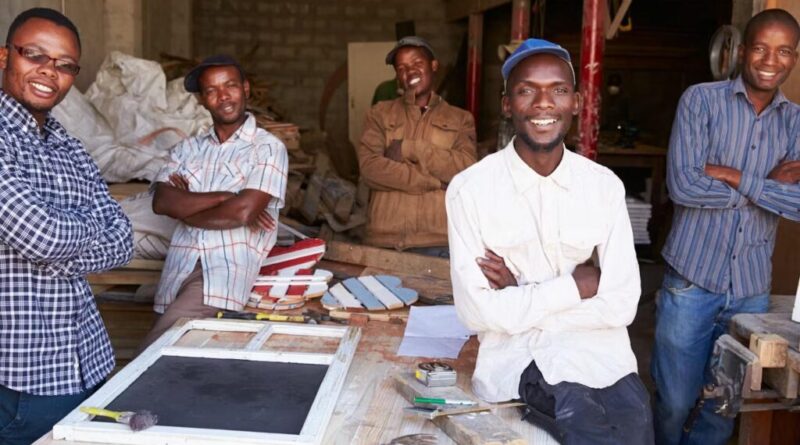
In South Africa, small and medium-sized enterprises (SMEs) constitute 98% of all businesses, with an estimated 2.4 million to 3.5 million operating in the country. They play a crucial role in generating around 66% of all jobs and bolstering local economies.
However, there has been limited insight into the environmentally sustainable practices adopted by SMEs. For instance, do they prioritize environmental protection in their operations? Do they view environmental stewardship as a fundamental aspect of their business management? Are they open to transitioning to renewable energy sources? Furthermore, do they integrate eco-friendly social development initiatives into their strategies and operations?
Other sustainability efforts in the small business sector may involve creating ethically manufactured products or participating in local sustainable development, upskilling programs, and employment equity initiatives.
As researchers in accounting and small business, we recently contributed to the book Green Financing in Emerging Economies, exploring how South African SMEs approach sustainability. Our research utilized the annual reports of 27 SMEs listed on the AltX Johannesburg Stock Exchange from 2017 to 2024.
We employed a computer program to analyze these reports in search of answers to critical questions. Do organizations demonstrate an understanding of sustainability issues? Are they prepared to tackle climate-related risks? Are they ready to invest in or engage with environmentally friendly financing? What actions are they taking, and what barriers hinder their sustainability efforts?
We selected SMEs from a wide array of sectors to gain a comprehensive overview, including finance and business services, mining and quarrying, manufacturing, community services, electricity, gas, water, transport, and construction.
Our findings indicate that SMEs are more inclined to adopt sustainable practices if they are informed about green finance, recognize the need to adapt to climate change, and have faith in sustainability. This occurs despite the numerous challenges they may encounter.
This research addresses a gap in understanding the factors that drive sustainability in developing economies, especially in South Africa.
ADVERTISEMENT
CONTINUE READING BELOW
Policymakers should facilitate green finance initiatives, streamline processes like slow municipal and government approvals, and provide support for capacity-building to enable SMEs to adopt environmentally friendly practices.
Importance of Climate Readiness
Small and medium-sized enterprises must be prepared to manage climate-related risks, such as extreme weather events, water shortages, and disruptions in supply chains.
SMEs that acknowledge these risks are more likely to take proactive steps to adapt to global warming. For instance, they may invest in resilient infrastructure like clean energy sources and implement water-saving technologies.
For SMEs, being climate-ready is not just about environmental protection; it’s also crucial for their business survival.
The Role of Awareness
A key finding from our research is that awareness significantly affects whether SMEs adopt sustainable practices. While awareness of climate change is essential, it doesn’t guarantee implementation of sustainability measures due to cost concerns and various other factors. However, SMEs that are well-informed about sustainability practices are more likely to embrace them.
Understanding that adopting sustainability measures can lead to cost savings over time makes SMEs more predisposed to go green.
Nevertheless, our study revealed that many SMEs remain hesitant to adopt environmentally friendly measures, despite growing pressure from ecological advocates and responsible investors. The primary reason is the lack of clear and dependable information regarding sustainability.
Addressing this knowledge gap could catalyze a wave of environmentally responsible practices across the small business landscape.
ADVERTISEMENT:
CONTINUE READING BELOW
Beyond Green Finance
Green finance from institutions such as banks, development finance organizations, and state-owned entities aims to support investments in renewable energy and efficient production processes that minimize pollution.
It is often assumed that the challenges of accessing green finance are the main hurdles for SMEs in adopting environmentally friendly practices.
However, our research presents an intriguing and somewhat unexpected outcome.
In some cases, SMEs may recognize the opportunities presented by green finance but still find it challenging to implement sustainable projects due to a lack of technical expertise, operational infrastructure, or institutional support.
This implies that funding alone does not suffice; businesses also require practical support.
Acknowledging Barriers Indicates Effort
SME owners often perceive the transition to green practices as too expensive or may feel they lack the expertise to navigate compliance with regulations, fearing their companies might not reap any benefits.
Interestingly, our study found that SMEs openly recognizing and discussing these barriers indicate a deeper engagement with sustainability issues.
Firms that identify their challenges are usually those already exploring sustainability options. By articulating these obstacles, they are better positioned to seek solutions and support.
ADVERTISEMENT:
CONTINUE READING BELOW
This underscores the need for collaboration among SMEs, policymakers, and financial institutions to address the practical challenges businesses encounter.
Next Steps
Fostering sustainability among SMEs requires a coordinated approach. Awareness initiatives are vital. Governments, industry organizations, and universities should disseminate knowledge on sustainable business practices and their advantages. Financial institutions must ensure that green finance options are both accessible and practical for small enterprises, possibly through simplified application processes and providing technical assistance.
Policymakers should strive to make sustainability adoption more attainable for SMEs, which may also involve offering training and incentives related to energy efficiency. Establishing partnerships to help businesses access new technologies could also be essential.
While individual SMEs may appear small, their collective impact can be substantial. When millions of small enterprises embrace sustainable practices, the environmental and economic gains will be significant.
For the transition to a greener economy to succeed, small businesses are essential. By more effectively supporting them, South Africa can develop a more resilient, competitive, and environmentally responsible economy.
Obert Matarirano, Associate Professor in the Department of Business Management and Economics, Walter Sisulu University and Trust Chireka, Associate Professor and Head of Accounting in the Department of Accounting, Economics and Finance, University of Fort Hare
This article is republished from The Conversation under a Creative Commons license. Read the original article.